
 What are Bioydynamic wines?
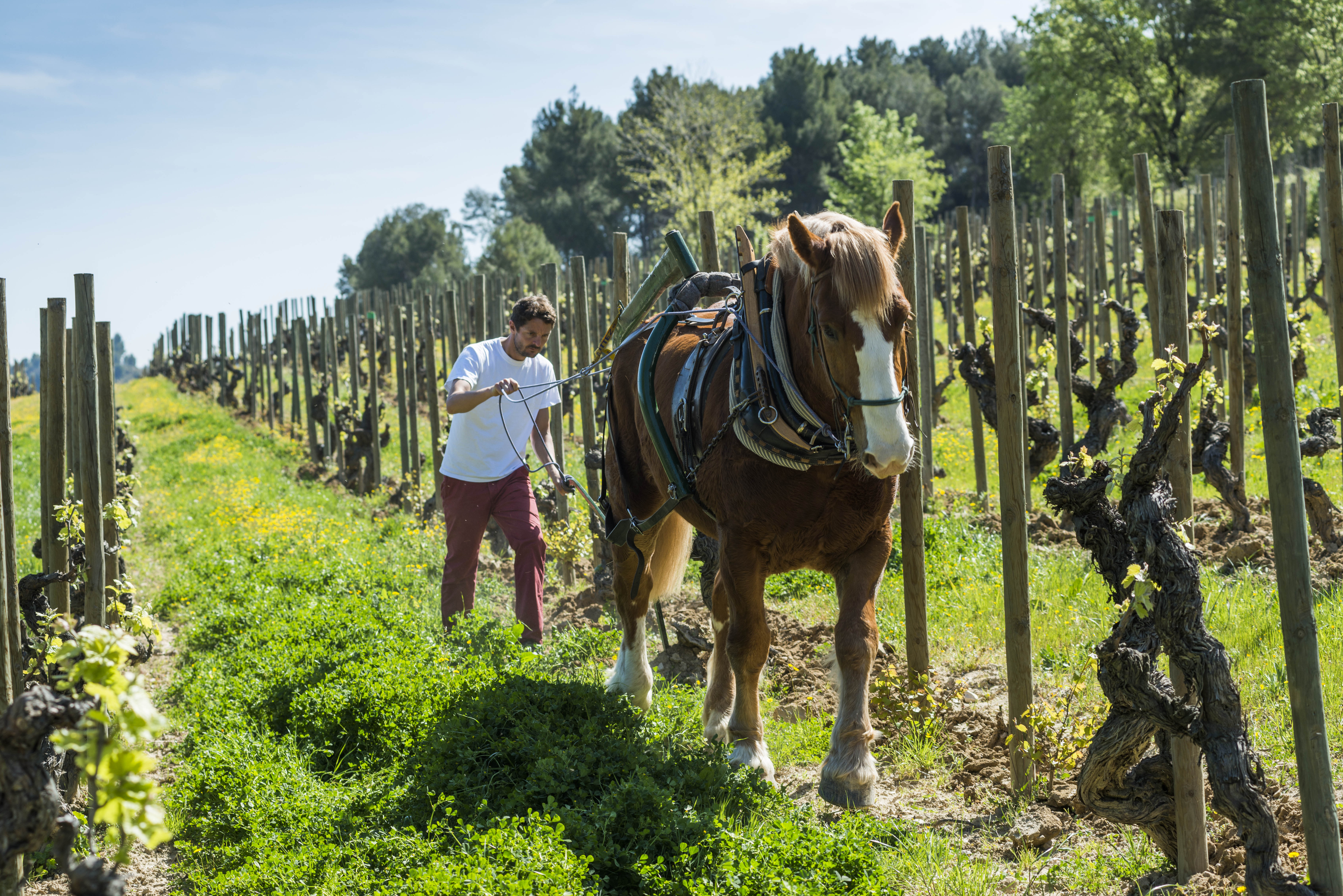
There are so many different words used to describe wine that it can be hard to keep up to date. The term ‘organic’ is generally understood and is frequently used. It refers to the way that fruit is farmed – using only authorised chemicals. It only covers the farming of the fruit and not what happens in the winery – you can use whatever chemicals you like once you’ve harvested the grapes and still call your wine ‘organic’. Biodynamic wineries, on the other hand, take organic farming to a whole new level and apply their principles in the winery, not just the vineyard. As well as respecting the environment by not using chemicals it applies some pretty peculiar environmental philosophies to the whole production. The 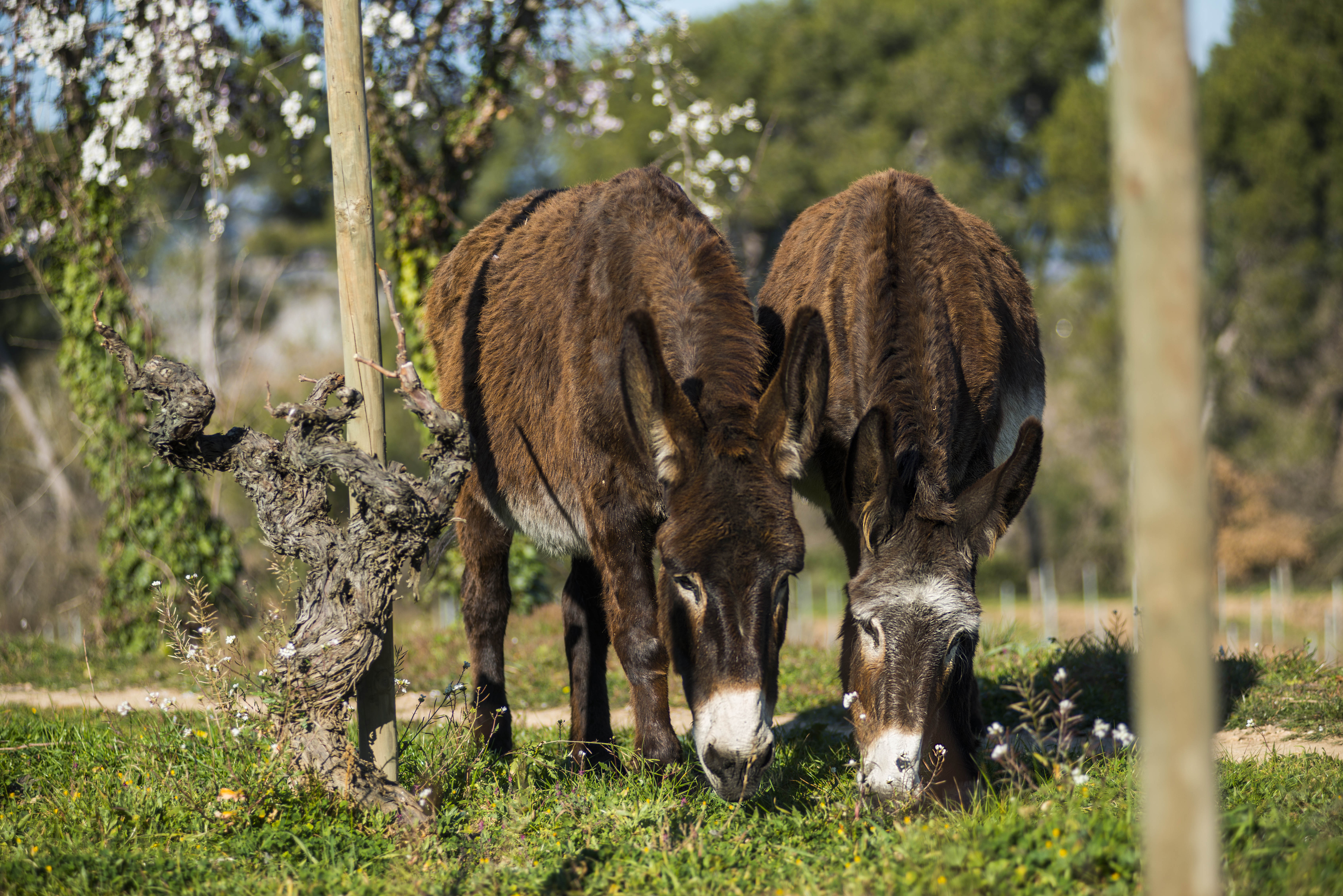 concept stems from a series of lectures given by Austrian philosopher Rudolph Steiner, more famous for his ideas on education. The central notion is that each different component of the ecosystem must be healthy and operate in harmony. There are nine preparations that a farmer can undertake to improve the composition and health of the soil. One of the more wacky ones is to make compost by fermenting cow dung in a horn, burying it in a corner of the vineyard over winter and then adding water and spraying it on the crop.
The effects of the moon
Biodynamic farming also pays close attention to the lunar calendar, the idea being that this has an effect on the biological processes involved in winemaking – the way sugars are produced in the grapes on the vine, after picking, and the way yeasts behave during fermentation. Whether or not it does make a difference to the end product has yet to be scientifically proven, but looking at some biodynamic producers and judging by the quality of their wines, many have concluded that these techniques must mean something. Perhaps it simply reflects the care and attention to detail that goes into their production, but I think that, since the cycle of the moon influences so many other natural processes, it may well have an impact on this most ancient of sciences.
One of my favourites at the moment and an estate that stands out from its peers is:Château Falfas
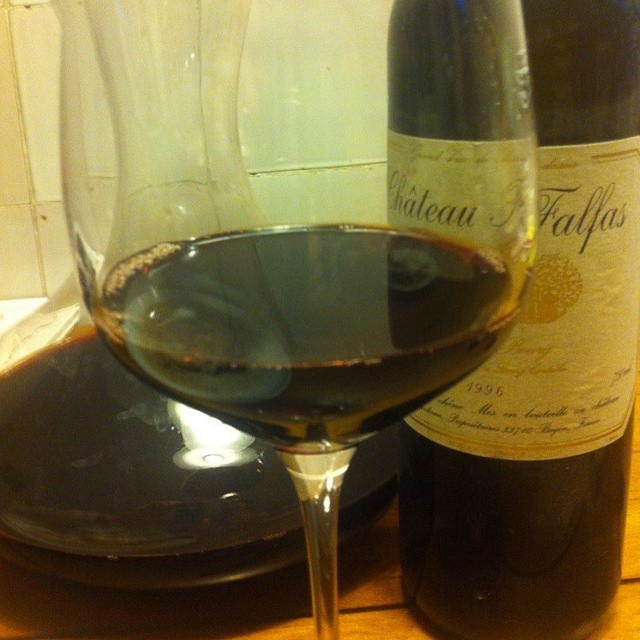 Château Falfas is a particularly interesting estate, as hardly any Châteaux in Bordeaux practice biodynamics. Afraid of losing their reputation and under pressure to produce large quantities of wine, some have become too industrial, losing individuality and character – the factors that make wine so exciting. Falfas was one of the first to put biodynamic principles in to practice in France. Owned by John Cochran and managed by his wife Véronique, who is the daughter of François Bouchet, the original and most influential consultant in the application of biodynamics to winemaking, it is not surprising that these are the principles the Château follows. The wines are incredibly fresh and feel full of life compared to some other Bordeaux, making one question whether a region that is so famous and prestigious might occasionally be slightly complacent.
It may be that biodynamic wines are simply reaping the benefits of the best of organic techniques but they certainly do seem to express the freshness of the fruit and the character of their terroir. Whatever it is, more producers are farming in this way to keep their wines tasting as good as their fellow biodynamic producers!
0 Comments